
When a US buyer sources solid aluminum facade panels from an overseas factory, the panel is only half the purchase. The other half is paper: the mill certificate proving the metal matches the purchase order, and the coating test report proving the finish will perform. Panels look identical on arrival day; the difference between a facade that holds its color for a decade and one that chalks out in three years is decided months earlier on the production line. Here is how to read those documents, which numbers matter, and which red flags should stop a shipment.
Why the Paper Trail Matters More Than the Sample
Samples approve color and texture, but a sample is a curated object: one panel, one batch, one good day on the coating line. Your project order will be hundreds of panels across multiple coating batches and several aluminum coil heats. The documents traveling with the shipment — mill certificates for the substrate and test reports for the coating system — tie your physical panels back to verifiable production records.
Set that expectation in the purchase order, not when the container arrives: each shipment arrives with mill certificates and coating test reports traceable to the production lot. Factories that run real quality systems produce these routinely; factories that cannot are telling you something important about how your order will be made.
Mill Certificates: Verifying the Metal Under the Paint
A mill certificate (material test report) is issued by the mill that produced the aluminum coil or sheet, typically to ASTM B209. For facade panels it should identify alloy and temper, gauge, and tested mechanical properties. Check these fields:
- Alloy and temper match the PO. If you specified 3003-H24, the certificate must say 3003-H24, not merely “aluminum sheet.” Alloy and temper determine formability and strength; substitution is the most common material deviation in low-bid orders.
- Thickness and tolerance. Facade panels are commonly supplied at 2.0, 2.5, or 3.0 mm nominal thickness. The certificate should show the actual measured gauge and the factory’s tolerance band — a panel at the bottom of a loose tolerance is thinner than your budget assumed.
- Mechanical properties. Tensile strength, yield strength, and elongation should appear as tested results, not just standard minimums. You need the numbers to exist and to meet ASTM B209 minimums for the stated alloy and temper.
- Heat and lot traceability. The certificate carries a heat or coil number. Ask the factory to map that number to the panels in your shipment — which panels came from which coil. Without that mapping, the certificate is decoration. Also verify it comes from the mill itself, not from a trading company re-typing it on its own letterhead.
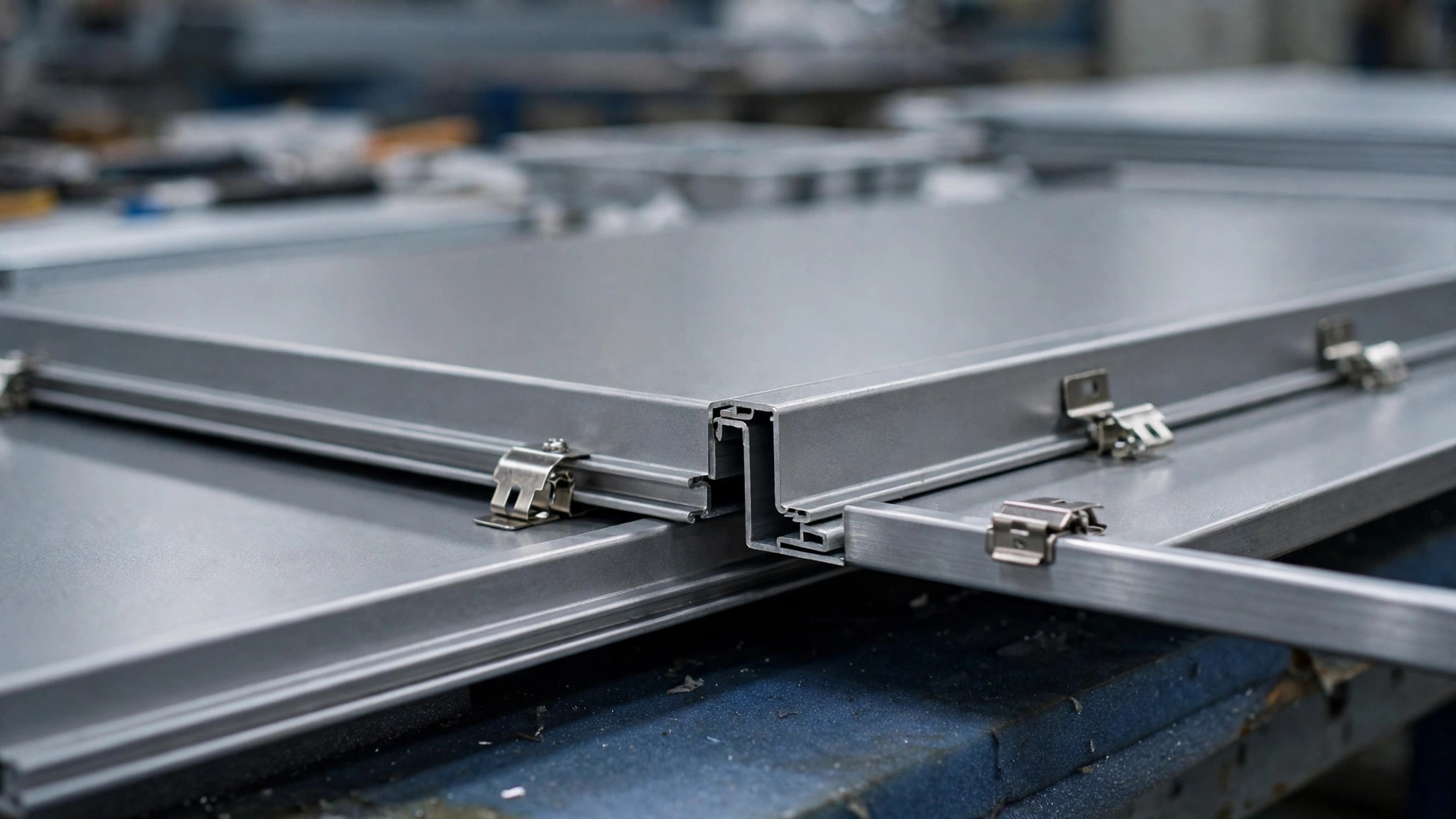
Coating Test Reports: What AAMA Ratings Actually Test
The finish — PVDF, powder coating, or coil-applied (roll) coating — decides most long-term performance. In the US market, architectural coatings are benchmarked against AAMA 2603, 2604, and 2605. Ask for the test report showing which specification the coating was tested against, and read it for:
- South Florida exposure results. The benchmark weathering test is long-term outdoor exposure in South Florida. AAMA 2605 requires 10 years of exposure with limits on chalking and color fade. Ask whether the report shows completed exposure data or only accelerated lab testing; the difference is meaningful.
- Chalk and fade limits. The report should state the chalk rating and measured color change (ΔE) after exposure. Confirm the tested color family, because fade performance varies significantly by pigment — dark and saturated tones are the demanding cases.
- Adhesion and film thickness. Look for dry and wet adhesion results plus the applied dry film thickness range. PVDF systems use multiple coats (primer plus color coats); the report should reflect the full system the factory will apply, not a lab sample with a heavier build.
- Salt spray and humidity resistance. Salt fog and humidity cabinet tests check resistance to corrosion-driven failure at edges, fastener holes, and formed bends. For coastal projects, these matter as much as UV performance.
One critical distinction: a test report for the coating manufacturer’s paint is not the same as one for the factory’s applied coating. The paint data sheet describes what the paint can do; the applicator’s report describes what the factory achieved on production panels. Ask for both, and confirm the line follows the paint maker’s specified cure schedule and film build.
Fire and Structural Reports: Ask for Assembly-Level Data
Solid aluminum is inherently non-combustible, but US code compliance is judged at the assembly level — panel plus framing, insulation, air barrier, and attachments. Request:
- ASTM E84 surface burning characteristics for the panel assembly as installed.
- NFPA 285 applies to the complete exterior wall assembly on certain building types and heights — no panel-level report alone satisfies it.
- ASTM E330 structural reports for the panel system under uniform static air pressure, at the project’s design wind loads.
A factory can provide panel-level fire classification data; it cannot certify that your building complies with the IBC — that belongs to your architect and the authority having jurisdiction. Any supplier who guarantees compliance in writing deserves skepticism, not confidence.
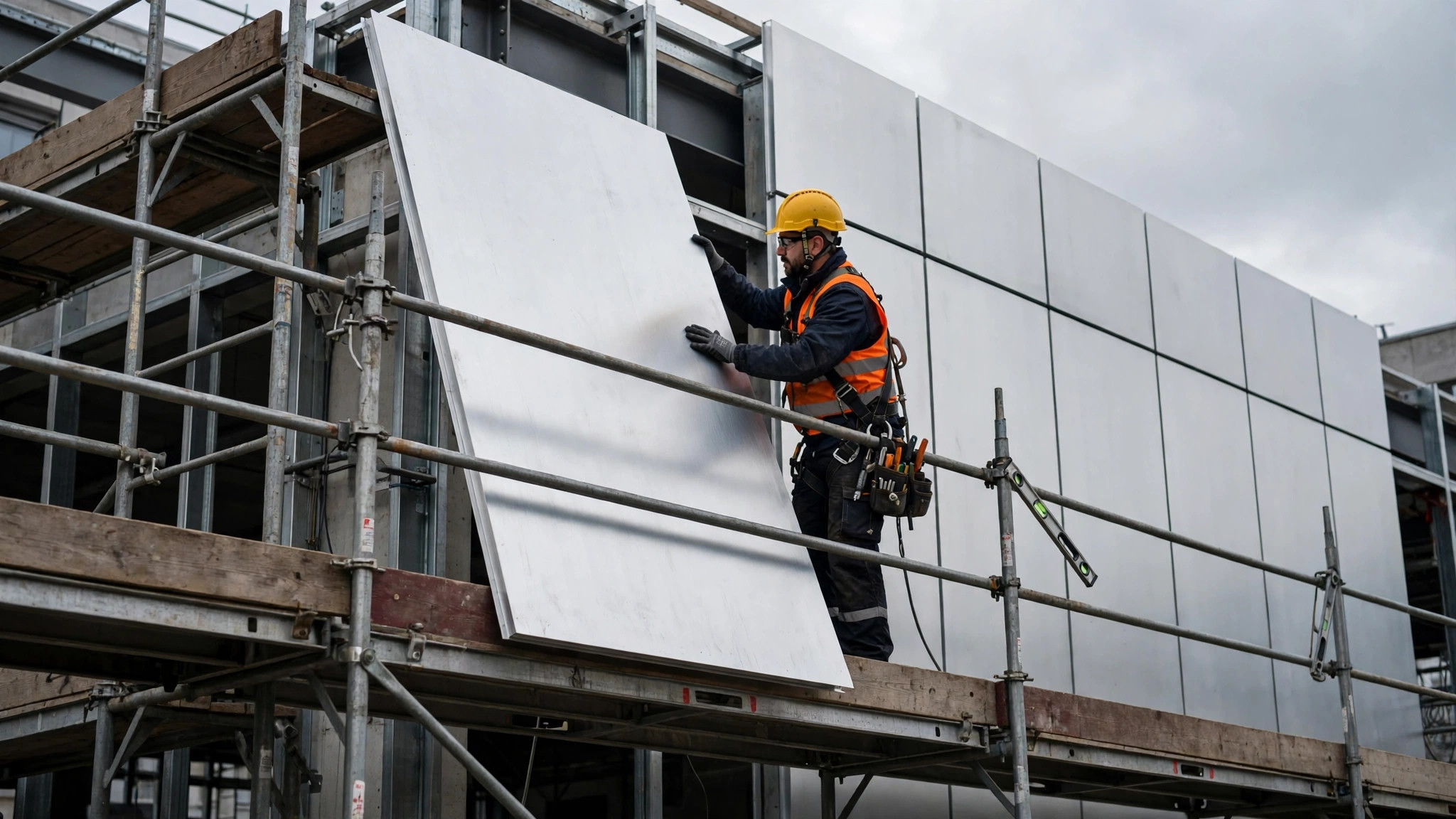
Red Flags That Should Pause a Shipment
Reading documents is partly about what is present and partly about what is missing. Hold the shipment and ask questions if you see any of the following:
- Certificates that do not match the PO — a different alloy, temper, or thickness, or lot numbers that do not cover the shipped quantity. This is the single most common material discrepancy.
- Generic or template certificates — no mill name, no heat number, no test date, or identical values across unrelated shipments. That is a template, not evidence of testing.
- Expired or unrelatable coating reports — an old exposure report for a formulation no longer used, or a report for a different color system than your order.
- Refusal or delay — a factory with a functioning quality department produces these within days. Documents that appear only after the vessel sails were likely created to match the shipment, not the process.
Documentation quality correlates with production quality: factories that test routinely file routinely. When the paper is messy, the process usually is too.
Building Documentation Into Your Purchase Order
The most effective time to get test documents is before production starts. Add a documentation clause to your PO naming each required document, its acceptance criteria, and its timing:
- Mill certificates for the substrate, traceable by heat/coil number to each shipment’s panels, delivered with the goods.
- Coating test reports for the specified finish system, identifying the AAMA specification tested, with South Florida exposure data where superior performance is required.
- Fire and structural data available for the system — as assembly inputs, not code-compliance guarantees.
- A packing list mapping carton/pallet numbers to coil heats and coating batches, so any site defect can be traced to its production origin.
Test documents are the cheapest insurance in a facade project: a few hours of reading, backed by a PO that requires them, guards against the two risks samples cannot — material substitution and finish underperformance years later. Specify the paper with the same care you specify the panel. Browse products at juchangalu.com, or send your drawings for a detailed quotation.