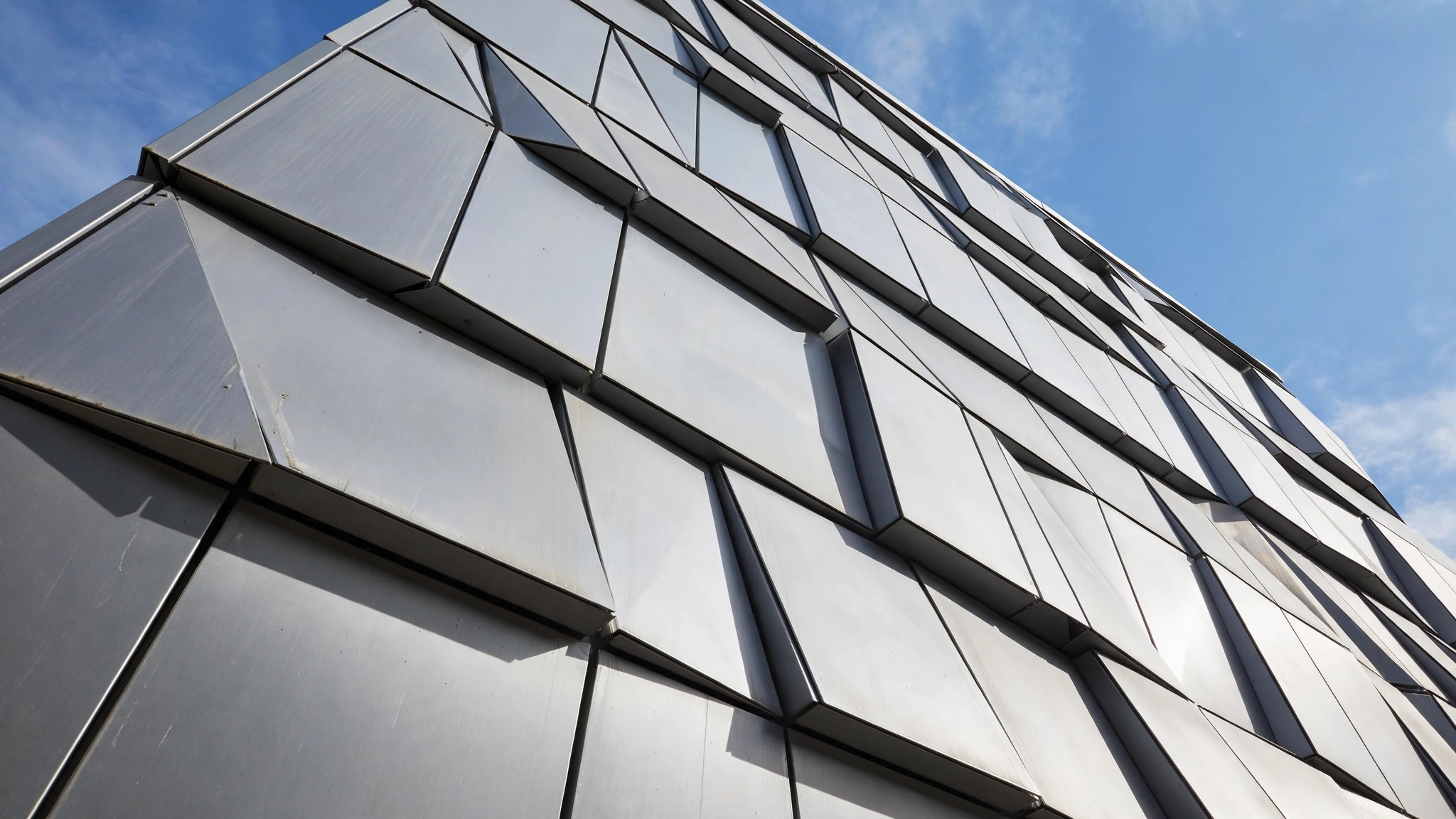
Fire safety has become one of the most scrutinized aspects of facade design in the United States. After several high-profile cladding fires around the world, architects, contractors, and building owners are asking harder questions about what is actually on the outside of their buildings. For buyers evaluating aluminum facade panels, understanding how solid aluminum panels behave in fire — and how that differs from composite alternatives — is essential to writing a safe, code-compliant specification.
Why Cladding Combustibility Matters
Modern rainscreen facades are layered assemblies: an outer skin, a ventilated cavity, insulation, and the structural wall behind. When the outer skin or core material can burn, flames can spread rapidly up the face of a building, outpacing interior suppression systems. This is exactly what happened in several well-documented tower fires, and it is why US building codes now treat exterior wall combustibility as a first-order design issue.
The International Building Code (IBC) Chapter 14 sets out requirements for exterior walls, and for many building types and heights it effectively requires non-combustible exterior construction or tested assemblies. For specifiers, the practical takeaway is simple: the combustibility of your cladding material determines which code path you are on — and how much testing, documentation, and risk your project carries.
Solid Aluminum Panels vs. Composite Cladding: The Material Difference
Not all “aluminum panels” are the same, and the distinction matters enormously for fire performance:
- Solid aluminum panels are formed from a single sheet of aluminum alloy — typically 2.0 mm, 2.5 mm, or 3.0 mm thick for facade use. There is no plastic or mineral core sandwiched inside. Aluminum sheet itself is a non-combustible material under standard tests such as ASTM E136, meaning it will not ignite, burn, or contribute fuel to a fire.
- Aluminum composite panels (ACP/ACM) bond two thin aluminum skins to a core. That core can be polyethylene (combustible), fire-retardant mineral-filled, or fully non-combustible mineral — and the fire behavior of the panel is largely determined by the core, not the aluminum faces.
This is why experienced facade consultants treat material selection as the first fire-safety decision. With solid aluminum facade panels, the combustibility question is answered by the material itself: metal sheet does not burn. With composite panels, the answer depends on the core grade and the manufacturer’s test data — all of which must be verified project by project.
What “Non-Combustible” Means in Code Terms
Several code concepts come up whenever aluminum facade panels are specified for fire-sensitive projects:
- ASTM E136 (non-combustibility of materials): the baseline material test. Solid aluminum sheet passes this test — it does not ignite or support combustion under the specified furnace exposure.
- IBC exterior wall requirements: depending on construction type and building height, the code may require non-combustible exterior walls outright. Solid aluminum panels fit naturally into these designs; combustible-core composites may be restricted or excluded.
- NFPA 285: a full-scale assembly test for exterior wall systems containing combustible components. Because solid aluminum panels contain no combustible core, facades built with them often avoid triggering the NFPA 285 testing path altogether — though the complete assembly (insulation, WRB, cavity details) still needs review by the design team and the authority having jurisdiction.
A word of caution: fire performance is always a property of the assembly, not just the panel. Insulation choice, cavity barriers, and joint detailing all play a role. But starting with a non-combustible skin removes the largest single variable from the equation.
Specifying Fire-Safe Aluminum Facade Panels: A Practical Checklist
When writing specifications for aluminum facade panels on projects where fire performance matters, consider these points:
- Specify solid, not composite, where codes demand it. State “solid aluminum sheet panels” explicitly, and require mill certification of the alloy and temper — common facade grades include 1001 and 3003 (H24 temper), which offer the formability and strength needed for folded cassette panels.
- Choose appropriate thickness. Facade panels are commonly produced in 2.0 mm, 2.5 mm, and 3.0 mm thicknesses. Thicker panels (2.5–3.0 mm) are typical for large-format cassettes on high-rise work, where wind load and flatness requirements are strictest.
- Check panel size against fabrication limits. Standard production runs up to about 1300 × 4000 mm per sheet. Oversized cassettes may require stiffeners or segmented layouts — coordinate early with the fabricator so fire-rated joint details are not compromised by late design changes.
- Review the coating system. PVDF (fluorocarbon), polyester powder coating, and roller coating are the standard finish options. While the thin coating layer is not the driver of fire behavior, confirm the coating’s flame-spread characteristics with the manufacturer for projects with strict submittal requirements.
- Demand documentation. Ask the factory for material test reports, alloy certifications, and coating specifications. A professional manufacturer should provide these as standard submittal documents — vague or missing paperwork is a red flag regardless of price.
Installation Details That Affect Fire Performance
Even the best panel material can be undermined by poor detailing. Key installation practices for fire-safe aluminum facade panels include:
- Cavity barriers and fire stops: the ventilated cavity behind a rainscreen can act as a chimney in a fire. Properly placed cavity barriers at floor lines and around openings are critical — coordinate these with the panel layout so barriers land on solid framing, not on open joints.
- Joint design: open-joint cassette systems are popular for their crisp shadow lines, but the gaps expose the cavity. On fire-sensitive elevations, consider baffled joints or backing details that limit flame and ember ingress.
- Sub-framing materials: use non-combustible aluminum or steel support framing. Avoid introducing combustible battens or shims into the cavity.
- Penetrations: seal around windows, vents, and service penetrations with fire-rated materials per the approved details — common weak points in real facades.
Common Questions from Buyers
Do solid aluminum panels need a fire rating?
Solid aluminum sheet is inherently non-combustible; it does not carry a “fire rating” the way a rated assembly does. What matters for code compliance is the complete wall assembly and the building’s construction type. Your architect or facade engineer should confirm the assembly against local code.
Are thicker panels more fire-resistant?
Thickness (2.0 vs. 3.0 mm) affects structural performance, flatness, and dent resistance — not combustibility. A 2.0 mm solid panel is just as non-combustible as a 3.0 mm one. Choose thickness based on panel size and wind load requirements.
What about the coating — can it burn?
PVDF and powder coatings are thin organic layers, but their contribution to fire spread on a metal substrate is minimal and they are widely accepted in facade applications. For projects with special requirements, request the coating’s flame-spread data from the supplier.
The Bottom Line
Fire safety in facade design comes down to removing fuel from the equation. Solid aluminum facade panels — single-skin aluminum sheet in proven alloys and thicknesses — give specifiers a cladding material that simply does not burn, simplifying code compliance and reducing project risk compared with combustible-core alternatives. Combined with disciplined cavity detailing and proper submittals, they are one of the most straightforward paths to a fire-safe building envelope.
If you are specifying aluminum facade panels for a project with strict fire requirements, browse the product range at juchangalu.com — or send your drawings for a detailed quotation tailored to your panel sizes, finishes, and quantities.