
For many US distributors, the hardest part of selling solid aluminum façade panels is not finding the projects — it is winning them. On a commercial bid, the architect, the general contractor, and the installer all ask the same underlying question: can this panel system actually be delivered, fabricated, and installed exactly as drawn? The distributor that answers that question with crisp submittal documents usually wins the job, even when its panel price is not the lowest on the table.
Behind most winning bids stands a factory that understands the American bidding process. A good aluminum panel factory supplies the engineering backup, shop drawings, samples, and technical documentation a distributor needs to turn a design concept into a bankable bid package. Here is what factory-level bid support should look like.
What US Architects and General Contractors Expect in a Panel Submittal Package
A typical US commercial submittal package for aluminum façade panels includes product data sheets, finish and color documentation, panel fabrication details, structural attachment information, and representative samples. On public and large private projects, the submittal is often reviewed by the architect’s façade consultant too, and any gap in the documentation can push the bid out of contention.
The factory’s role at this stage is to make sure the distributor never submits a guess. Product data should describe the actual panel the factory makes — for solid aluminum veneer panels, that means sheet thicknesses of 2.0, 2.5, and 3.0 mm, aluminum alloys such as 1100 and 3003 in H24 temper, and standard maximum sheet sizes up to 1300 × 4000 mm. Finish documentation should cover the coating system the factory actually applies, whether fluorocarbon PVDF spray coating, powder coating, or pre-painted roll coating. When the distributor can pass along factory-verified data instead of marketing estimates, the submittal reads as a technical package rather than a sales brochure.
Shop Drawings That Earn Trust: Layout, Joint Details, and Fixing Patterns
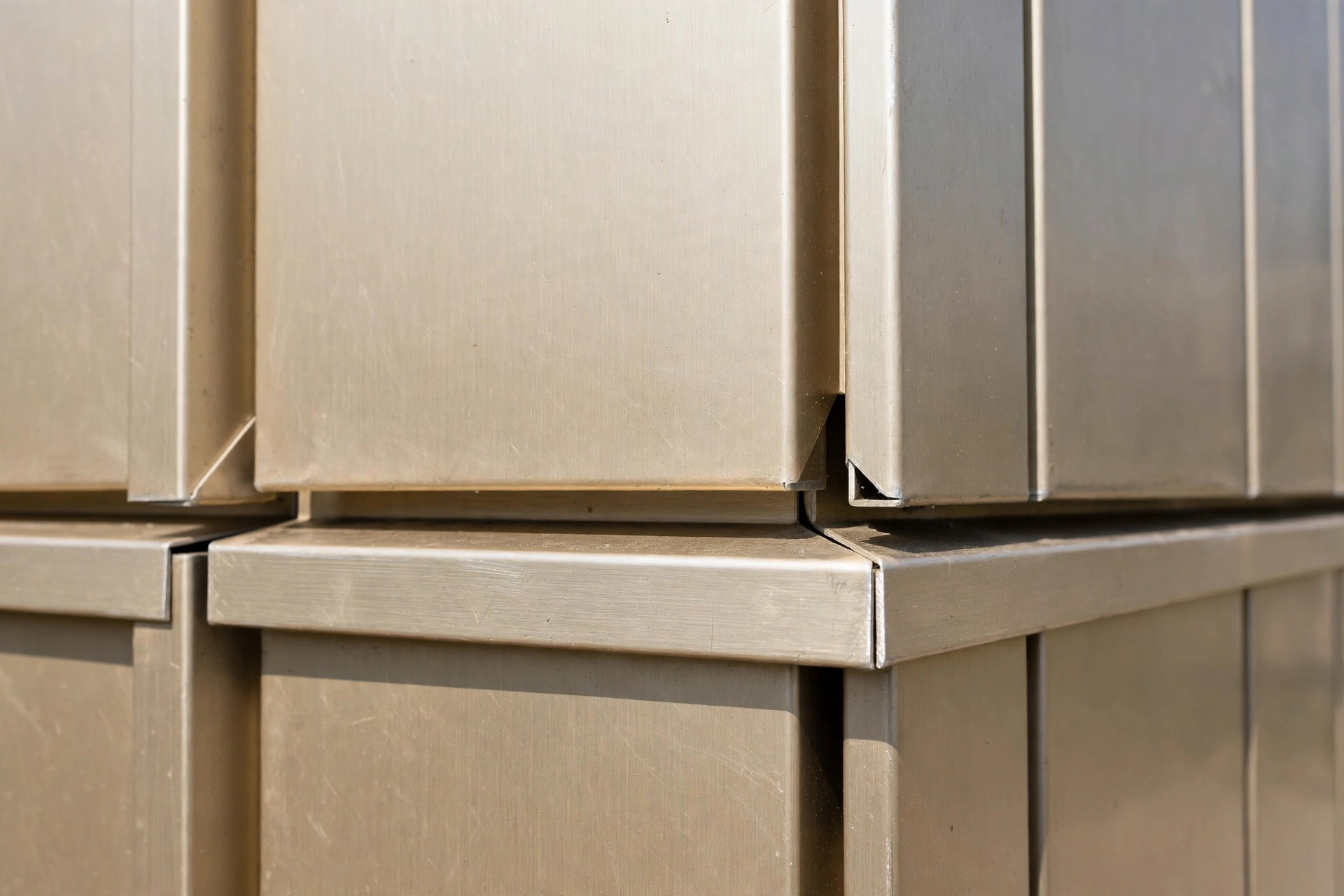
Shop drawings are where panel bids are won or lost. Architects want to see how the architect’s design intent translates into real panel sizes: module widths, cassette depths, joint widths, and the exact locations of reveals, corners, and transitions. Installers want to see the attachment logic: how each panel cassette hangs on its sub-frame, where the fixed points and sliding points sit, and how thermal movement is accommodated at the joints.
A factory that fabricates cassette panels daily can prepare elevation layouts and detail drawings quickly, because it knows what it can actually bend, fold, and weld. A capable factory will flag design details that are hard to fabricate — such as excessively tight returns or unsupported panel spans — and suggest practical alternates before the distributor commits to a bid number. That kind of honesty protects the distributor’s margin and reputation.
Engineering Coordination: Panel Sizes, Load Paths, and Anchorage
On US projects, the façade engineer or structural engineer of record typically confirms that the panel system transfers wind loads into the building structure through a defined load path: panel to cassette stiffener, cassette to fixing bracket, bracket to sub-frame or structure. The distributor’s bid must show that this load path has been considered, even when the final stamped calculations come later during the shop drawing approval stage.
Factory support here means practical coordination, not guesswork. The factory can advise on realistic panel module sizes for the specified thickness — a 3.0 mm panel can span wider modules than a 2.0 mm panel for the same flatness expectations — and on cassette depth options that give the installer room for adjustment. It can also confirm maximum single-panel dimensions from its production line, so the distributor never bids a panel size the factory cannot physically produce. For solid aluminum panels with a maximum standard sheet size of 1300 × 4000 mm, keeping bid modules inside that envelope avoids costly splices and design compromises later.
Samples, Color Chips, and Mock-Ups: Winning Approval at the Bid Stage
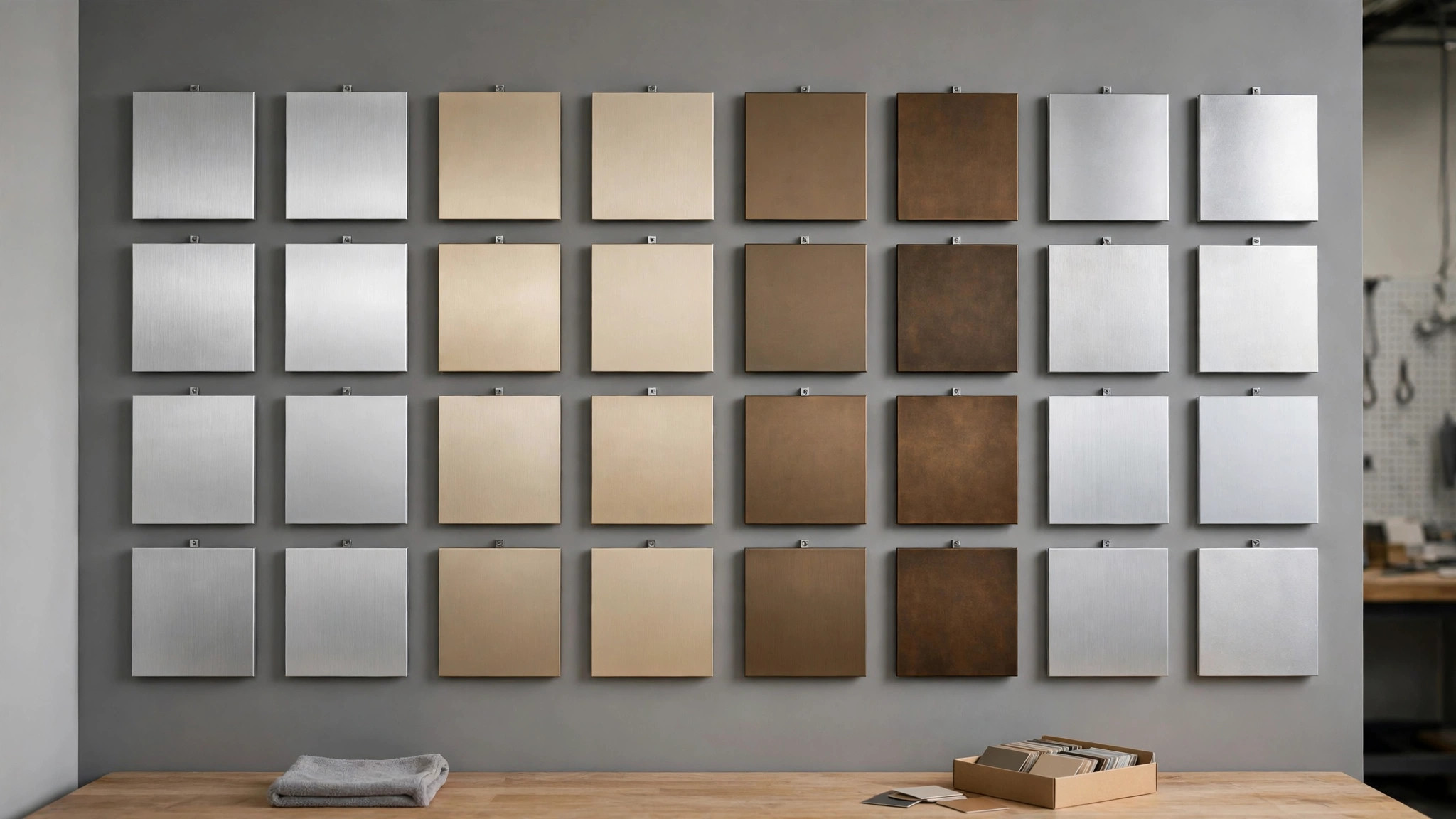
Many US bid specifications require physical samples before the contract is awarded: small finish chips for initial color review, larger panel samples showing the actual folded cassette construction, and sometimes a full-size visual mock-up assembled from several panels. Distributors that can place these samples on the architect’s desk on time enjoy a real advantage over competitors still waiting on overseas sample shipments.
This is an area where factory responsiveness matters enormously. A factory with a proper sampling workflow — color chip library, sample fabrication cell, and a habit of photographing each sample against a neutral background before shipping — shortens the approval cycle dramatically. Distributors should also ask how the factory manages color consistency between the sample batch and the production batch: consistent coating lines and batch documentation mean the sample the architect approved is the panel that arrives on site. For color-critical projects, factory samples measured against an agreed color tolerance give everyone a defensible reference.
Documentation That Backs Your Bid: Coating Data and Factory Traceability
Beyond the visible sample, bid reviewers increasingly ask for the paper behind the panel. Coating data sheets describe the finish system — PVDF fluorocarbon, polyester powder, or roll-coated pre-painted aluminum — along with the coating build and performance characteristics the factory stands behind. Mill certificates or material declarations document the alloy and temper of the aluminum sheet used. Fabrication records, panel marking, and packing lists make the panels traceable from factory to site.
None of this documentation is exotic, but it is exactly what separates a professional bid from a bare price. When a general contractor compares two distributors, the one whose submittal includes complete coating data, material traceability, and clear fabrication drawings signals lower risk — and lower risk is worth paying for. Distributors should treat a factory’s willingness to provide thorough, accurate documentation as a core selection criterion, right alongside product quality and communication speed.
A Practical Bid-Support Checklist for Distributors
Before committing to a factory partner for a US bid, work through this checklist:
- Submittal package: Can the factory provide complete, factory-accurate product data, finish documentation, and fabrication details — not generic catalog pages?
- Shop drawing support: Will the factory prepare or review elevation layouts, joint details, and fixing patterns for your specific project?
- Fabrication honesty: Does the factory flag details it cannot fabricate well, and suggest buildable alternates before bid day?
- Size discipline: Are the bid panel modules confirmed against the factory’s real maximum sheet size and fabrication limits?
- Sample turnaround: Can color chips, construction samples, and mock-up panels be produced and shipped on a timeline that fits your bid schedule?
- Documentation depth: Are coating data, alloy declarations, and traceability records available for every production batch?
- Single point of contact: Is there an engineer or technical contact at the factory who answers questions in hours, not weeks?
A distributor that can answer yes to all seven will submit bids that architects trust and installers can actually build. On competitive US projects, that is the difference between being the low bidder and being the safe bidder — and safe bidders get called back for the next project.
Browse the solid aluminum façade panel range at juchangalu.com, or send your project drawings for a detailed technical quotation and a factory-supported submittal package.