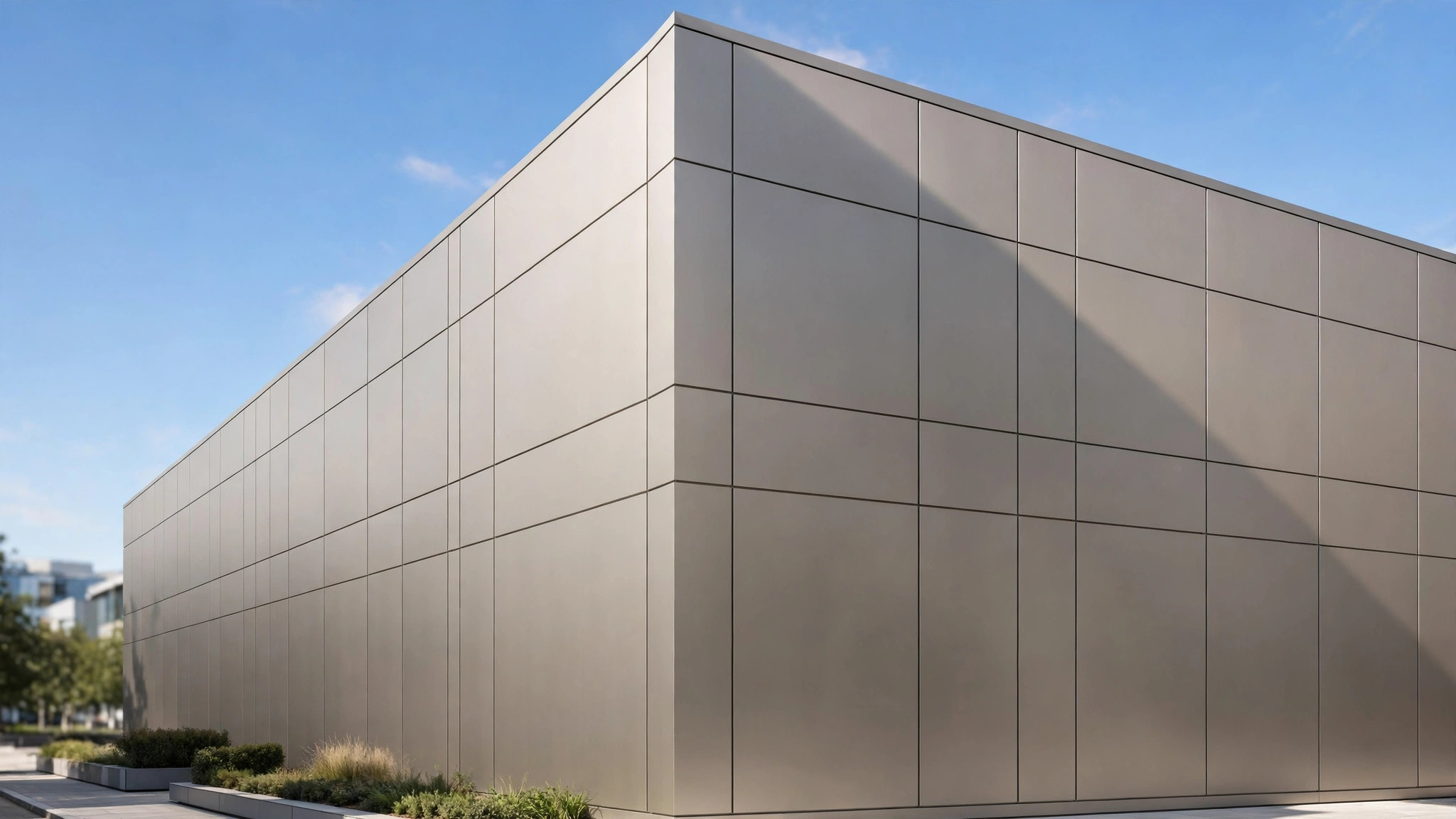
Aluminum facade panels can leave the factory in perfect condition and still arrive with problems. A long sea voyage, a rough forklift move, or a crate stacked the wrong way can leave dents and scratches that only become obvious once panels are halfway up the facade — when fixing them costs ten times more. This checklist covers the inspections that matter most, in the order you should do them.
Why Delivery Inspection Matters
Once panels are installed, responsibility gets murky. A scratch found during installation could have happened in the factory, in transit, or on site — and every party will point at the other two. A documented inspection at delivery draws a clear line: anything wrong before you sign the delivery receipt is a shipping or factory issue; anything after is yours. That clarity is also what makes a replacement claim move quickly: both ask for dated photos and a delivery receipt that recorded the damage at the time.
Before the Truck Arrives: Prepare Your Inspection Kit
Good inspection starts before the truck backs in. Have the packing list, the purchase order, and the approved shop drawings on hand, so you can check what arrives against what was ordered. Bring a tape measure, a straightedge or long level, a color reference sample or approved color chip, a flashlight, and a camera. A simple printed checklist — one line per item in this article — keeps the inspection consistent across shipments and crew members.

Step 1: Check the Packaging and Crate Condition
Start with the outside of the shipment, before any panel is touched. Look for crushed corners, punctured crate walls, broken strapping, water stains, or tilt indicators that have tripped. Note any damage on the delivery receipt before you sign it — a clean signature on a damaged crate is the most common reason a freight claim gets denied. Open one crate at a time and check the internal protection: panels should be separated by protective film or interleaving paper, with edge protectors in place.
Step 2: Verify Quantities, Sizes, and Panel Markings
Count the panels against the packing list, crate by crate, and measure a sample of panels from each crate — length, width, and thickness. Solid aluminum facade panels are commonly supplied in 2.0, 2.5, or 3.0 mm thicknesses, in alloys such as 1001 or 3003 H24, with a conventional maximum sheet size of around 1300 by 4000 mm; your order documents will state the exact specification for your project. Check that the panel labels or crate stencils match the order: project name, panel type, color code, and quantity. Mismatched markings are an early warning that the wrong batch was loaded. Record any short shipment on the spot, with the crate number noted.
Step 3: Check Color Consistency Across Panels
Color variation is the defect buyers notice last and regret most, because it only shows up once panels are installed side by side. Lay sample panels from different crates next to each other under the same light — ideally outdoors in daylight, not under warehouse fluorescents — and compare them with the approved color chip. Look along the row, not just at one panel, and check from a few meters back, which is how the facade will actually be seen. Minor variation between batches is a known characteristic of coated metal; what you are screening for is a panel or crate that clearly stands apart from the rest. Photograph suspect panels with a reference panel in the same frame.
Step 4: Inspect Flatness and Panel Geometry
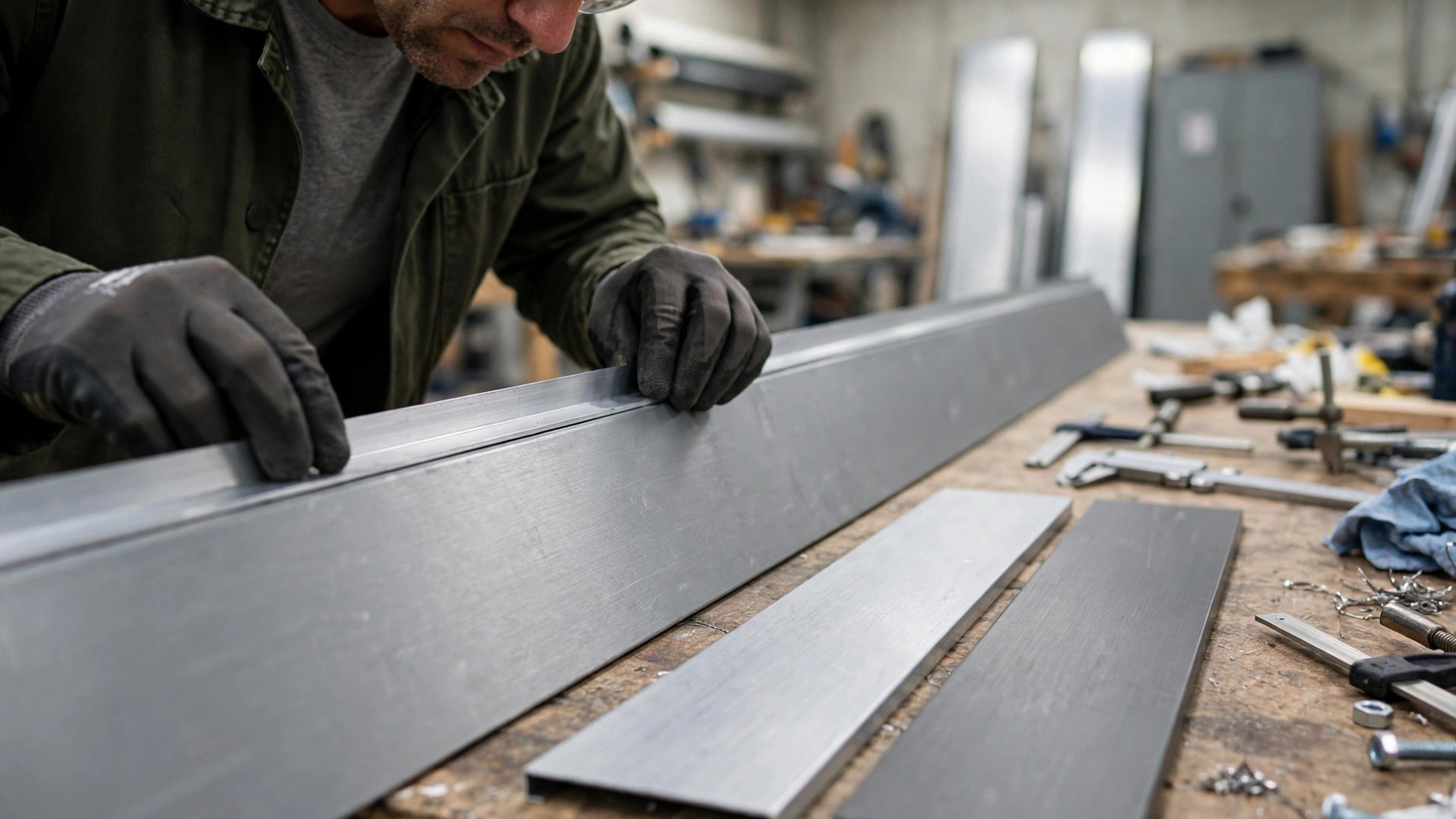
Place a straightedge across the face of each sampled panel and look for gaps that indicate bowing or oil canning — the visible waviness that appears when a thin sheet is not perfectly flat. Check the panel from several angles and in raking light, which makes even slight distortion visible. Measure the diagonals of a few panels to confirm they are square, and check that folded edges and returns are straight and at the correct angle. A panel that is out of flat may still be usable in a small format, but large-format panels show every ripple, so apply your strictest check to the biggest panels in the shipment.
Step 5: Test Coating Adhesion and Surface Quality
Run a gloved hand over the coated face to feel for grit, bubbles, or rough patches, and look for scratches, pinholes, or areas where the coating looks thin. Common finishes for aluminum facade panels include PVDF, powder coating, and roll coating, and each should present a uniform, even surface with consistent gloss. For a quick adhesion check, press a strip of masking tape firmly onto an inconspicuous area of the coating and peel it off sharply; coating that lifts with the tape is a red flag worth reporting. Skip destructive tests without the supplier’s agreement.
Step 6: Check Edges, Folds, and Fixing Points
Finally, inspect the details that hold the panel to the building. Look for cracked or split folds, dented corners, and burrs on cut edges that could cut installers or show through the joint. Check that stiffeners, where specified, are firmly attached, and that fixing holes or slots are in the positions shown on the shop drawings and are free of deformation. A bent fixing tab is easy to miss in a stack of panels and expensive to discover on a scaffold. Confirm each panel’s edge profile matches the approved sample.
What to Do When You Find a Problem
Separate the shipment into three groups: accepted, rejected, and hold for decision. Photograph every defect with a scale reference, such as a tape measure in the frame, and write a short description of each one with the panel and crate number. Notify the supplier in writing the same day, attaching the photos and the annotated delivery receipt, and copy the freight carrier if the damage looks transit-related. Do not install suspect panels “to keep the schedule moving” — once a panel is fixed to the wall, most suppliers will treat any defect as site damage. Ask the supplier to confirm in writing how to proceed, and keep that confirmation with the shipment file.
Keep Records That Protect Your Claim
For every shipment, file the packing list, the signed delivery receipt with any damage noted, the completed checklist, and the dated photos in one folder, keyed to the project and shipment number. This file is what turns a complaint into a claim: it proves what arrived, when, and in what condition. Over several shipments it also records supplier performance. The best delivery inspection is boring: same checklist, same photos, same file, every time.
Ordering panels for a US project and want a factory that ships them properly protected and documented? Browse products at juchangalu.com or send your drawings for a detailed quotation.