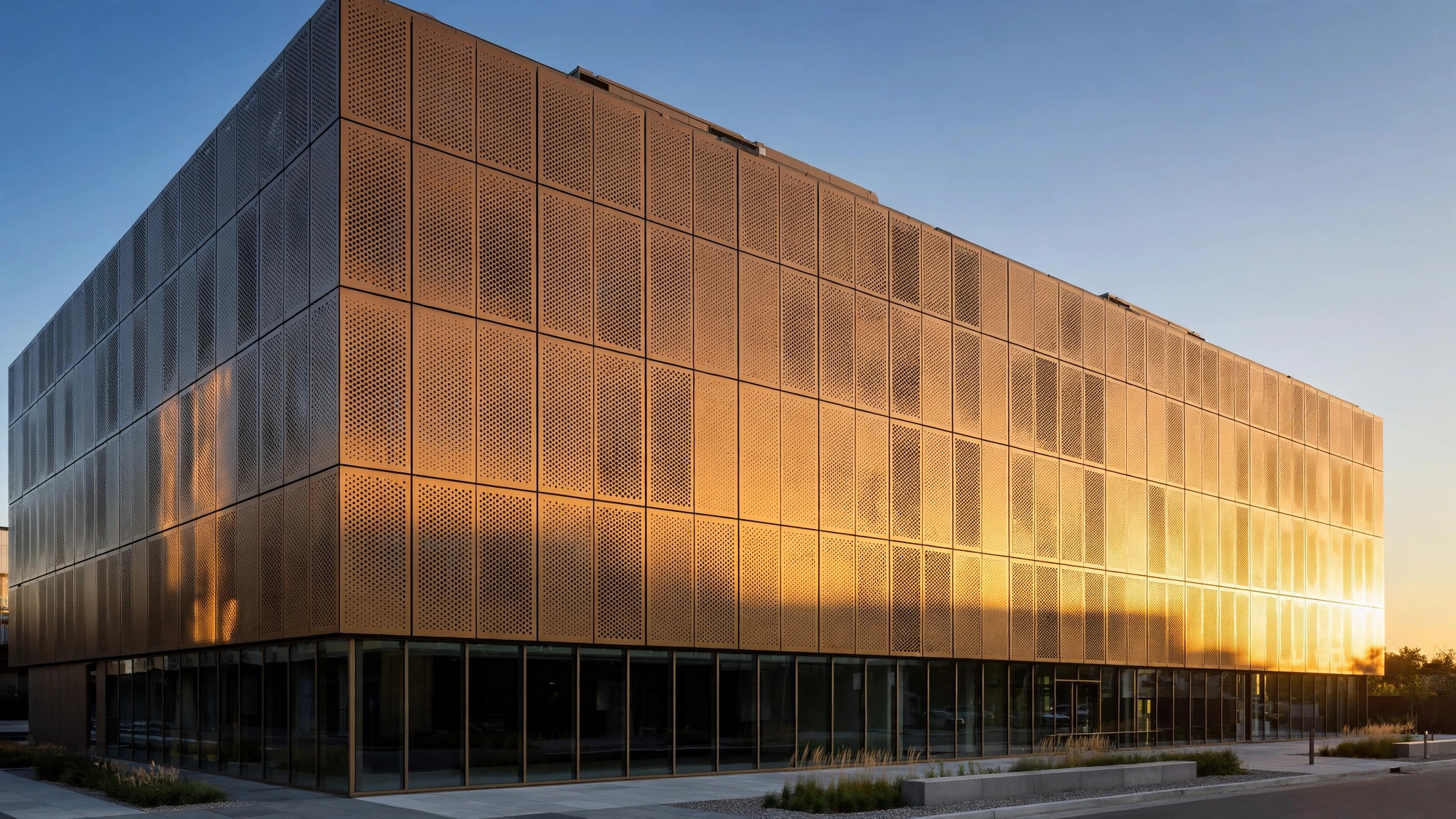
Most aluminum panel distributors lose the project before they ever see a bid package. By the time a contractor sends out an RFQ, the cladding product has already been written into the project specifications — and with it, the acceptable manufacturers, the finish system, and the performance baseline. The distributors who win consistently are the ones who show up earlier: they sell the specification, not the price. This is specification selling, and for aluminum facade panel distributors serving the US market, it is the highest-leverage sales activity there is.
Why Being Specified Beats Competing on Price Alone
When your product is named in the specification, the bidding conversation changes completely. You are no longer one of five quotes in a spreadsheet; you are the baseline against which alternatives are judged. Contractors who want to substitute must submit an “or equal” request and prove equivalence, which creates friction in your favor.
Spec-driven sales also protect your margin. Once an architect has written solid aluminum panels with a PVDF finish system into Section 07 42 13, the project is effectively locked to that product class. Value engineering may still attack the scope, but it rarely rewrites the cladding material itself. For distributors, this means:
- Shorter sales cycles — the decision was made months before the bid date.
- Higher close rates — specified products win a disproportionate share of awards.
- Repeat pull-through — a specified product travels with the architect to their next project.
The economics are straightforward: one successful specification can generate panel orders across an entire project, while chasing unawarded bids burns estimator hours for a single-digit win rate.
How Architects Actually Choose Cladding Products
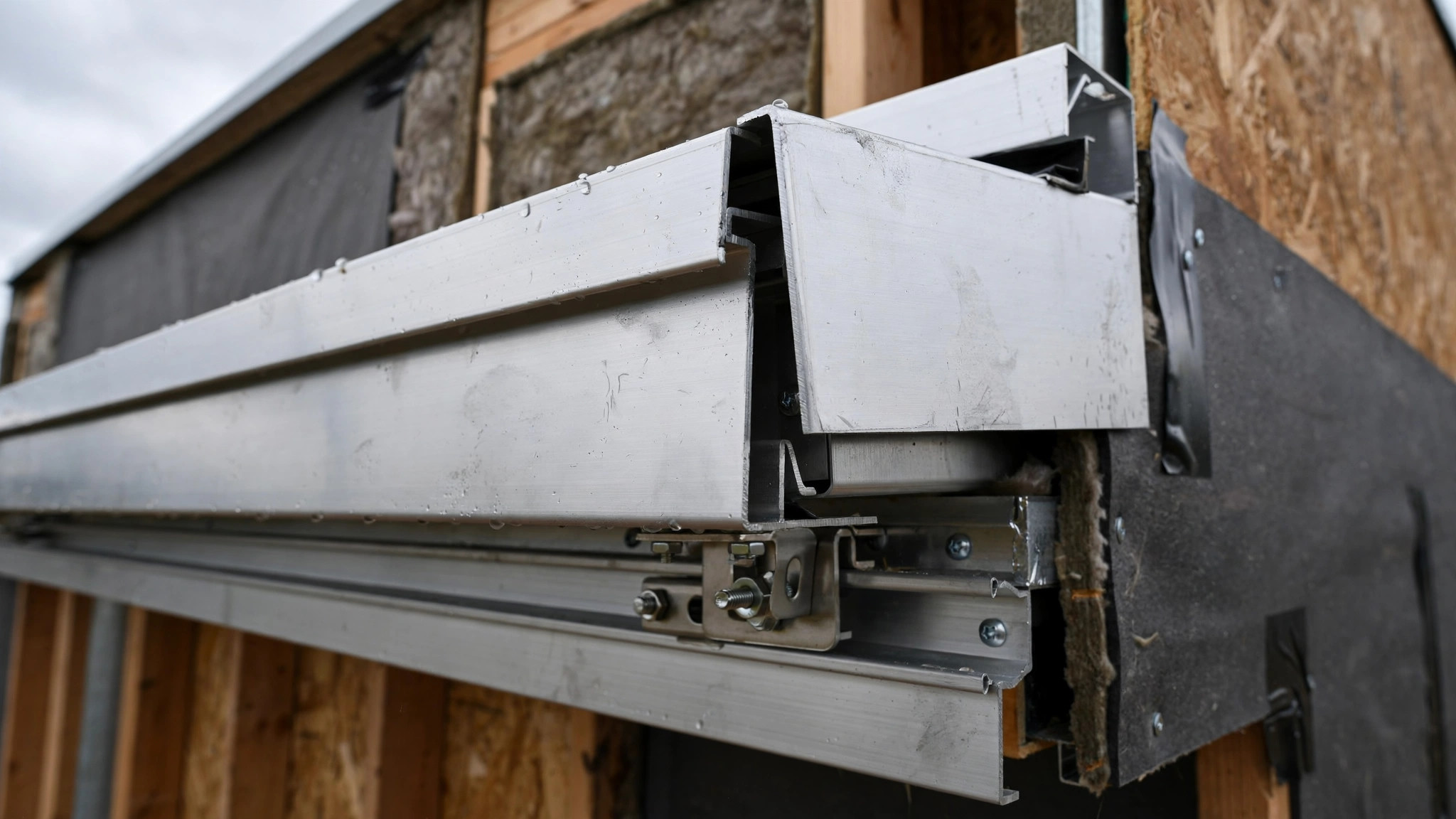
To sell specifications, you have to understand the specifier’s day. Most architects specify from a shortlist of products they have already seen perform on built work. They care about three things in order: will it look right, will it perform, and will the submittal process be painless. Price matters, but it is the contractor’s problem, not the architect’s — and architects actively avoid specifying products that look like procurement headaches.
This is why relationships beat brochures. Architects specify products from people who answer technical questions fast, show up with samples, and speak the language of the drawings. A distributor who can explain the difference between a 2.0mm and 3.0mm solid aluminum panel in terms of oil-canning risk at a 1300mm module width earns more trust than a glossy catalog ever will. Technical credibility is the currency of specification.
Timing matters too. Influence the specification during schematic design or design development, when the material palette is still fluid. By construction documents, the cladding is usually settled, and your only play is to become an approved equal.
The Five Moves of a Spec-Selling Playbook
A practical playbook for distributors who want to get their aluminum panels specified:
1. Target the right firms at the right phase
Focus on regional firms with active commercial, education, healthcare, or multifamily work — the project types where solid aluminum panels are a natural fit. Track projects from design development onward; that is the window where cladding decisions are made.
2. Lead with education, not a pitch
Offer a short lunch-and-learn on a topic the firm actually struggles with: rainscreen detailing, PVDF versus powder coating selection, or matching replacement panels years after installation. Education earns the meeting; the meeting earns the specification.
3. Bring real samples, not renders
Architects distrust screens. Carry physical panel corners showing folded returns, a perforated sample with two different open-area ratios, and color chips in both PVDF and powder coating. Let them touch the difference between finishes. Samples that stay on the material library shelf keep selling when you are not there.
4. Answer the three specifier questions in writing
Every cladding specification has to answer: what is the panel (material, thickness, alloy), what is the finish (system and performance baseline), and how is it supported (system type and attachment). Give the architect a one-page basis-of-design summary — product description, available thicknesses in 2.0/2.5/3.0mm, aluminum alloys 1100 and 3003 H24, panel sizes up to 1300×4000mm, and finish options including PVDF, powder coating, and roll coating — formatted so it can be pasted into the spec with minimal editing.
5. Follow the spec to the bid
Getting specified is half the job. Track the project to bid, notify your contractor customers that your product is the specified basis, and be ready with budget pricing during design so your product is not value-engineered out before it reaches the street.
Building a Submittal-Ready Toolkit

The fastest way to lose a specification is to fumble the submittal. When the architect writes your product into the documents, they are implicitly trusting you to make the approval process easy. Keep a toolkit on hand:
- Product data sheets with clear panel construction, thickness options, and finish descriptions.
- Standard detail drawings for cassette systems, joint widths, corner conditions, and parapet coping transitions.
- Sample policy — how quickly you can produce color chips and full-size mock-up panels for architect approval.
- Finish documentation describing the coating system in performance terms, without promising project-specific outcomes.
- Reference project list with photos, project types, and completion dates.
Distributors who can return a complete submittal package within days — not weeks — become the architect’s path of least resistance. And the path of least resistance gets specified again.
Partnering with the Factory Behind the Spec
Specification selling only works if the factory behind you can deliver what the documents promise. Before you stake your reputation on a specification, verify the manufacturing fundamentals: consistent coil and coating quality, CNC fabrication capacity for custom panel sizes, and a QC process that controls color variation batch to batch. Ask for the same documentation your architects will ask for — if the factory cannot produce it for you, it cannot produce it for the submittal either.
The strongest distributor-factory partnerships share a playbook: the factory supplies technical depth (details, samples, test data), and the distributor supplies local presence and relationships. When an architect asks a hard question about panel flatness at large module sizes or finish behavior in coastal exposure, you should be able to get a credible, written answer within a day. That responsiveness is what converts a one-time specification into a standing relationship.
Specification selling is a long game, but it compounds. Each specification won becomes a reference project, each reference project becomes material-library presence, and each architect relationship becomes a pipeline of future bids where your aluminum facade panels are already written in. Distributors who invest in the spec stage stop chasing bids — and start receiving them. To explore specification support for your market, browse the product range at juchangalu.com or send your drawings for a detailed quotation.