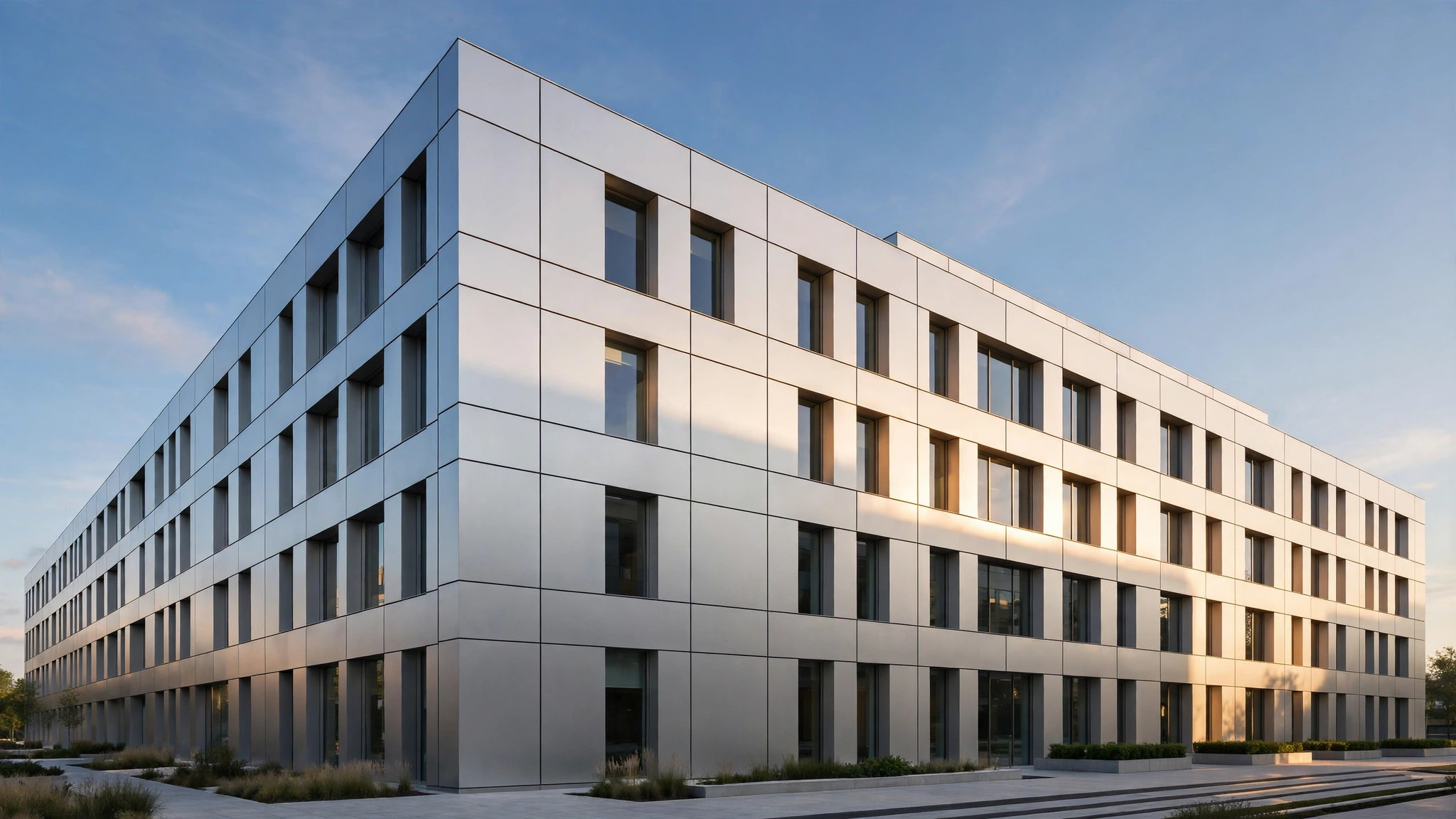
When a US contractor or architect orders custom aluminum facade panels from China, one question comes up in almost every first conversation: how long will it take? The honest answer is that lead time is not a single number. It is the sum of several stages — design approval, material sourcing, fabrication, finishing, packing, and ocean freight — and each stage has its own variables. Understanding what drives each stage helps buyers plan realistic project schedules and avoid the costly surprise of panels arriving after the installation crew has already mobilized.
Why Lead Time Is More Than “Production Time”
Many buyers think of lead time as the time a factory spends making panels. In practice, production is only the middle of the chain. Before a single sheet is cut, drawings must be approved; after panels leave the coating line, they must be inspected, packed, and shipped across the Pacific. A delay at any point pushes the delivery date, which is why experienced importers ask their supplier to break the schedule down stage by stage rather than quoting one headline figure. When you compare suppliers, ask what each stage includes — a shorter quoted lead time may simply exclude the approval or shipping stages.
Stage 1: Submittal Approval and Shop Drawings
The clock usually starts once the buyer approves the shop drawings and color samples, not when the purchase order is signed. This stage covers the technical back-and-forth: confirming panel sizes, joint details, fixing systems, perforation patterns, and the exact coating color. Projects with curved panels, custom perforation, or non-standard fixing details naturally take longer to finalize, because each special feature needs its own drawing and confirmation. Buyers who arrive with complete drawings, a confirmed color reference, and a clear fixing system in mind can move through this stage far faster than those still deciding between options. As a rule, the approval stage is the one buyers control most — and the one most often underestimated in the schedule.
Stage 2: Material Procurement
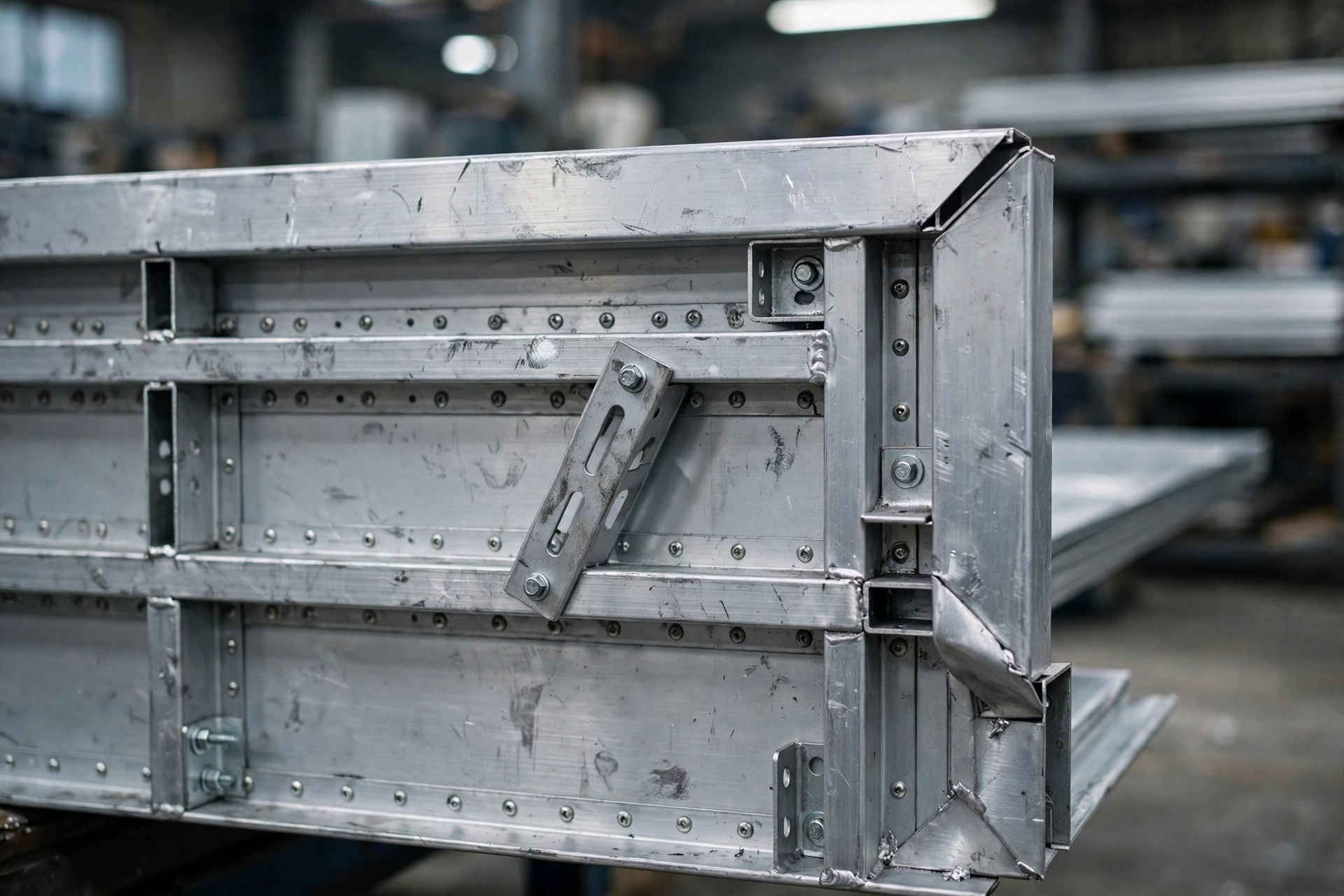
Once drawings are approved, the factory orders raw material: aluminum sheet or coil in the specified alloy and thickness, plus coating materials matched to the chosen color. Juchang Aluminum works with standard thicknesses of 2.0, 2.5, and 3.0mm and alloys such as 3003 H24, and standard gauges in common alloys are generally the fastest to source. Unusual thicknesses, special alloys, or custom coating colors can extend this stage, because the material may need to be produced to order or matched specially. This is also where order size matters: a large order may require several production batches of coil, and the factory will usually wait until the full material quantity is in hand before starting fabrication, so that all panels in one project come from the same batch and match in color.
Stage 3: Fabrication — Cutting, Folding, and Forming
Fabrication is where the panel takes shape: sheets are cut to size, folded into cassette form, perforated or carved where the design calls for it, and stiffeners and fixing brackets are attached. Flat rectangular panels move through this stage quickly. The schedule stretches when the design includes curved or double-curved panels, deep returns, intricate perforation patterns, or welded corners, because each of these needs extra setup, slower processing, and more careful handling. It also stretches when a project mixes many different panel sizes — every new size means a new machine setup. Consolidating panel sizes where the design allows is one of the simplest ways to keep fabrication on schedule.
Stage 4: Surface Finishing and Curing
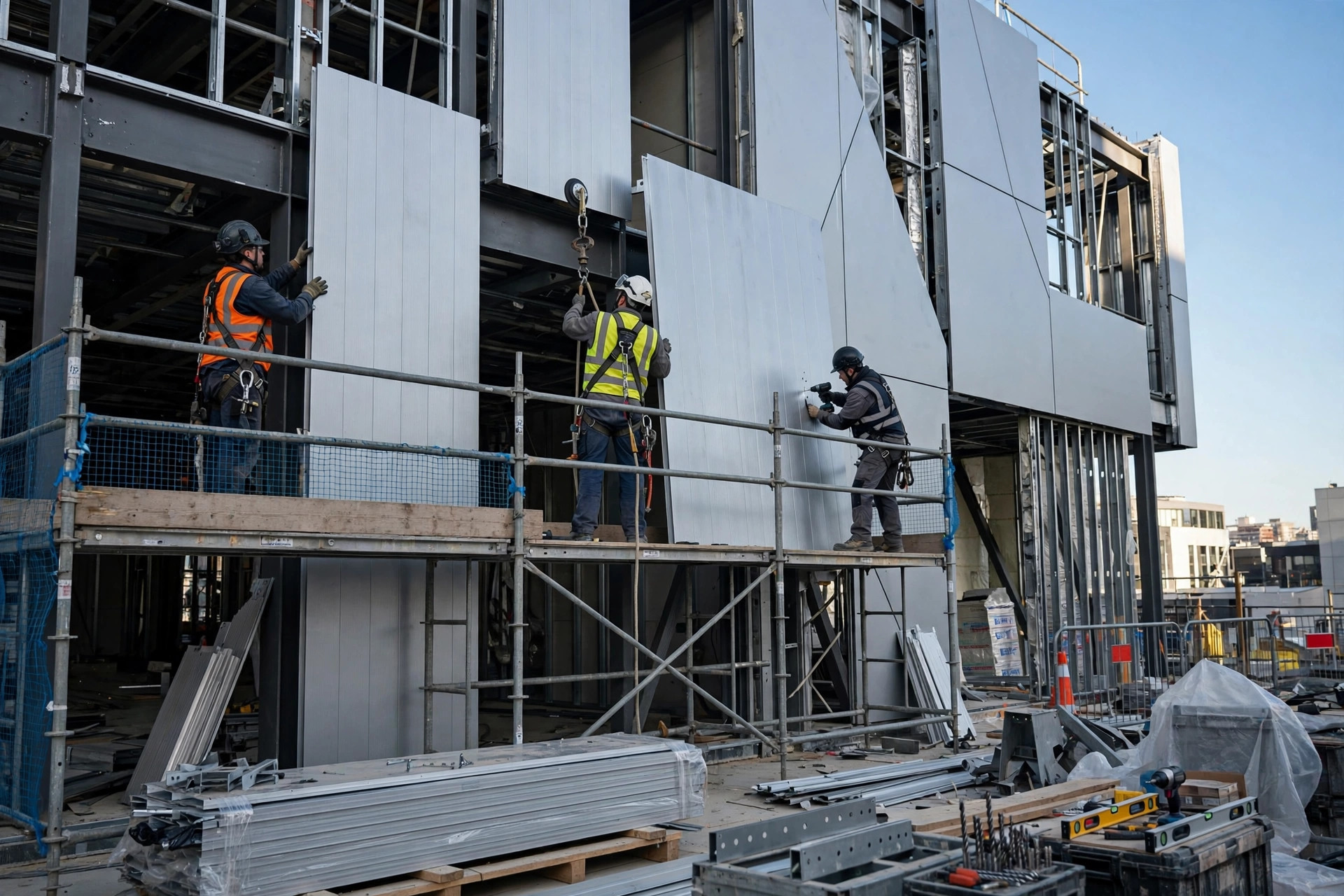
After fabrication, panels go through surface treatment and coating — PVDF, powder coating, or roll coating, depending on the specification. The coating itself is applied in a controlled line, but the stage also includes pre-treatment, drying, and curing time, plus a color check against the approved sample before the batch is released. Custom colors take longer than standard colors, because the coating must be mixed and matched to the reference, and any mismatch means rework. Weather and humidity do not affect the indoor coating line, but they can affect the drying and handling of finished panels. This is also the stage where quality control is most visible: a reputable factory inspects coating adhesion, film thickness, and color consistency before panels move to packing.
Stage 5: Packing, Shipping, and Customs
Finished panels are packed in protective crates or pallets, loaded into containers, and shipped by sea to the US. Packing is slower than many buyers expect, because each panel must be separated with protective film and secured so it cannot shift or scratch during a long ocean voyage. Sea transit is the longest single leg of the journey and varies with the destination port, the sailing schedule, and seasonal congestion. Once the container lands, customs clearance and inland transport to the job site add further time. Buyers who plan around the container schedule — for example, by confirming the sailing date rather than assuming weekly departures — get a far more reliable delivery estimate.
Five Factors That Stretch or Shrink the Schedule
Across all six stages, five factors have the biggest effect on total lead time:
- Design complexity. Flat, standard-size panels are fastest; curved, perforated, or carved panels add setup and processing time at every stage.
- Color choice. Standard coating colors move faster than custom-matched colors, which need extra mixing and approval rounds.
- Order size and panel variety. Larger orders need more material and more machine time, and many different panel sizes mean more changeovers.
- Season and factory workload. Like any manufacturer, a panel factory has busier periods. Placing orders early, before the peak construction season, usually secures a better production slot.
- Shipping route and port conditions. The destination port, container availability, and customs processing all sit outside the factory’s control, so they deserve their own buffer in the project schedule.
How US Buyers Can Protect Their Project Schedule
The most effective way to shorten lead time is to front-load decisions. Approve shop drawings and color samples early, confirm the fixing system before production starts, and keep panel sizes as consistent as the design allows. Ask the supplier for a stage-by-stage schedule — approval, material, fabrication, coating, packing, shipping — rather than a single number, and build a buffer for the stages the factory does not control, especially ocean freight and customs. Finally, order a little ahead of the installation date: panels stored properly on site are far cheaper than an idle installation crew waiting for a delayed container.
Lead time is not something a factory can simply promise away. It is the result of design decisions, material choices, and logistics, and the buyers who understand it best are the ones whose projects run on time. If you are planning a facade project and want a realistic schedule for your specific panel sizes and finishes, send your drawings to the team at juchangalu.com for a detailed quotation — a clear scope is the fastest route to a reliable delivery date.